Bed bug problems rarely start at a convenient hour. They show up after a business trip, midway through an apartment turnover, or the night before guests arrive. What defines a great bed bug removal service is not only the ability to eradicate an infestation but to do it with steady hands and respect for the people and places involved. Over the past decade working with property managers, homeowners, and hotel teams, I have seen how professionalism and courtesy directly influence outcomes as much as technical skill does. The best bed bug exterminator combines calm communication, precise bed bug detection, and a treatment plan that fits your space, schedule, and budget.
What courteous and efficient really looks like
Two qualities predict success with bed bug extermination: technical consistency and thoughtful customer care. I have watched excellent technicians talk anxious clients through the process while taking apart a bed frame, carefully labeling drawers, and photographing key harborages. This matters because bed bug control hinges on details. Miss a fabric seam behind a headboard or the felt pad under a nightstand, and you can erase the value of an otherwise thorough bed bug treatment.
There is also the matter of privacy and disruption. A professional bed bug exterminator handles a problem that is both urgent and sensitive. The right approach uses plain, respectful language, clear preparation notes, and realistic timelines. You want someone who can remove bed bugs fast, but not at the cost of your safety or valuables. Efficiency is a rhythm created by planning, not by rushing.
First signs and the value of a precise inspection
Clients often call after spotting bites on the arms or neck, noticing tiny blood smears on sheets, or finding pepper-like droppings near tufts and seams. A good bed bug inspection service treats those clues as a starting point, not a diagnosis. I have seen cases where carpet beetles or spider beet bites were mistaken for bed bugs. A proper bed bug detection service uses bright flashlights, crevice tools, interceptors under bed legs, and in some settings, canine scent detection teams. Interceptors can reveal low populations within 48 to 72 hours, and trained dogs can reduce search times in large or cluttered areas. That said, dogs are tools, not answers. Reliable teams still verify hits visually before proposing a bed bug treatment.
An inspection should cover beds and upholstered furniture first, then headboards, baseboards, wall hangings, electrical outlets, and luggage storage zones. In apartments and hotels, adjacent units and rooms should be considered if evidence suggests migration. The best bed bug exterminator will document findings with notes and photos, label the extent of the infestation as light, moderate, or heavy, and explain how that rating drives bed bug removal options.
Building a treatment strategy that fits your space
Bed bug extermination is not one size fits all. Heat, insecticides, and targeted fumigation each have a place when used correctly by bed bug specialists. The best bed bug removal professionals begin by mapping out a service plan that favors safety and efficacy, then fit it to the real constraints of your space and budget.
Heat works by elevating room or unit temperatures to levels lethal to bed bugs and their eggs. In professionally monitored bed bug heat treatment, target temperatures typically reach 120 to 140 F, with sustained hot spots at the bug level for at least 90 minutes. Realistically, a full cycle can last 4 to 8 hours depending on room volume, contents, and thermal mass. Pros bring in wireless sensors to monitor temperatures inside mattresses, couch cushions, and the darkest corners. Proper circulation, strategic fan placement, and safe management of heat-sensitive items are non-negotiables. Heat is often the fastest path to bed bug eradication in a single visit for many residential spaces and hotel rooms, particularly when clutter is minimal and access is excellent.
Chemical methods range from contact sprays and desiccant dusts to residual insecticides that create a long-lasting barrier. A thorough bed bug chemical treatment means cracks and crevices receive dedicated attention, box springs are opened and addressed, outlets and voids are dusted where appropriate, and upholstered furniture is treated with products labeled for that use. A follow-up window of 10 to 14 days is common, and heavy infestations can require two to three visits. Chemical options can be more affordable than whole-unit heat for some clients and are well suited to multiunit coordination because they establish ongoing protection.
Fumigation, when offered, is reserved for severe or specialized cases, such as infested collections, certain commercial environments, or situations where items can be containerized. Full-structure bed bug fumigation is less common due to cost and logistics, but it can deliver a complete reset if other paths have failed. More often, professionals perform containerized fumigation of infested furniture, electronics, or inventory, paired with a room-level heat or chemical program. The key is to make fumigation fit the problem, not the other way around.
A note on eco friendly and non toxic options
Clients frequently ask for a green bed bug treatment or safe bed bug removal that does not risk pets or sensitive individuals. Heat is the flagship non-chemical approach. When properly done, it avoids residuals and still achieves high kill rates. Desiccant dusts, such as those based on silica or diatomaceous earth, physically damage the bug’s waxy cuticle and have low mammalian toxicity when applied as labeled. Organic bed bug treatment claims vary widely, and I encourage clients to request product labels and safety data sheets before accepting a plan marketed as non toxic bed bug extermination. There is a place for essential oil formulations and minimum risk products in integrated programs, but they tend to work best as part of a broader bed bug pest control solution rather than standalones for heavy infestations.
Courteous on-site conduct you should expect
Professionals who take customer care seriously make themselves easy to trust. These cues are small yet telling.
- Arrive on time or provide timely updates if delayed, and introduce themselves with identification. Walk the space respectfully before moving items, explain what they will touch, and ask about fragile or sentimental objects. Document findings and explain the treatment path in clear terms, including limitations and what results to expect. Protect floors and surfaces, use containment bags, and leave the space at least as tidy as found. Offer a direct line for questions after the visit, with realistic response windows for follow-ups.
These are not niceties. They are part of a repeatable system that allows a bed bug removal company to achieve guaranteed bed bug removal without alienating the people who live or work in the space.
Preparation that speeds up results
Preparation is a partnership. Overpreparation can be as harmful as underpreparation. I once arrived at an apartment where the tenant had disassembled every stick of furniture and bagged every item, including hardware. It took longer to reassemble and find harborages than to treat. On the other hand, in a hotel room with drawers crammed full, it is all too easy to miss an active cluster beneath a little-worn sweater. A reliable bed bug extermination company provides a preparation checklist tailored to your treatment, not a one-size memo from a decade ago.
Here is a concise version that fits most standard apartment or single-room heat or chemical jobs:
- Reduce clutter in treated rooms by half, but avoid full-scale boxing unless instructed. Keep items in the room to prevent spreading bugs. Bag laundry from treated rooms in dissolvable or sealed bags. Wash and dry on high heat, then store clean items separately. Empty nightstands and bed storage into clean, sealable bins. Keep a simple inventory to avoid losing items. Move furniture 6 to 12 inches from walls for access, unless your provider sets other spacing. Set aside heat-sensitive items like candles, cosmetics, plants, and certain electronics for special handling per your technician’s guidance.
For office and retail spaces, the preparation plan emphasizes clear desk policies, bag checks, and minimizing soft furnishings. For hotels, coordination with housekeeping around turnover timing is the difference between a fast bed bug extermination and a guest complaint.
Timelines, follow-ups, and what “guarantee” really means
The phrase guaranteed bed bug removal is not magic. It is a commitment to return, recheck, and retreat if necessary within defined parameters. Typical guarantees range from 30 to 90 days for single-family homes and individual hotel rooms. Multiunit housing often requires shared responsibility. If adjacent units passively reinfest treated apartments, even the best bed bug extermination provider will struggle unless the bed bug pest management plan reaches beyond one door.
Expect an initial service window of 2 to 8 hours depending on method and scope. Heat days run longer. Chemical visits are shorter, but the program lasts longer because of follow-ups. Many providers schedule a second inspection 10 to 14 days after the first treatment to address hatch-outs and monitor bed bug control progress. Interceptors or monitors placed under bed and sofa legs provide objective data. Three to four weeks of silence on monitors is a good sign. Six to eight weeks brings stronger confidence, especially for heavy cases.
Affordability, speed, and choosing the right provider
Every week I hear the same mix of needs: remove bed bugs fast, keep it affordable, and minimize downtime. You can have two of those bed bug heat treatment Niagara Falls outright. The third usually bends to make room. For example, a same day bed bug exterminator using heat can clear a hotel room in one full day and return it to service the next, but the price per room will be higher than a slower, chemical-only approach. In a residential setting, an affordable bed bug exterminator might propose a two-visit chemical plan with targeted steam and dust, which costs less upfront than whole-home heat but requires patience and cooperation. Cheap bed bug extermination is a red flag if it means rushed inspections, unlabeled chemicals, or no follow-up. The better value often comes from a reliable bed bug exterminator who lays out a clear path, stands behind results, and helps prevent repeat issues.
When people search for a bed bug exterminator near me or a bed bug control company near me, they often find a mix of national brands and local teams. The difference rarely comes down to a single factor. Local bed bug exterminator firms can be nimble and offer same day bed bug exterminator service with more predictable pricing in their coverage area. Larger bed bug extermination companies may bring specialized tools, such as whole-building heat arrays or in-house bed bug detection dogs. What matters most is the technician’s time on task, certification, and the plan they outline for your specific case.
Ask for licensing and product labels. Request references for similar property types, whether you need a residential bed bug exterminator for a home, an apartment bed bug exterminator for a multiunit building, or a hotel bed bug exterminator for a portfolio of rooms. For offices, look for an office bed bug exterminator who understands confidentiality and after-hours scheduling. Look for providers who discuss both heat and chemical options candidly. A certified bed bug exterminator who can explain why they recommend one method over another for your site demonstrates judgment.
Inside the service day
On the day of service, I recommend being present for the walkthrough, even if you plan to step out during treatment. Good bed bug removal professionals begin by confirming preparation, addressing any safety issues, and revisiting sensitive areas found during inspection. In heat jobs, technicians set up heaters and fans, place multiple temperature sensors, and begin raising the room gradually. They will open drawers, tilt mattresses, and crack hollow furniture to break up thermal shadows. If they find an active cluster, they may spot treat with a contact agent or a targeted steam pass as a belt and suspenders.
Chemical programs begin with a directed vacuum of live bugs and egg clusters where possible. Crevice treatments, mattress encasements, and dusting follow. A thoughtful tech will adjust their approach to the resident’s needs. For example, in a child’s room, they may lean on encasements, vacuum, steam, and desiccants, reserving particular residuals for inaccessible voids. Pets are removed or contained as noted in the plan. In mixed-use buildings, door sweeps and exclusions help slow unit-to-unit movement.
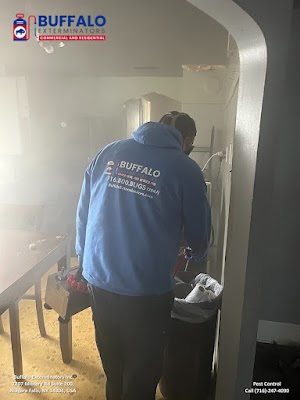
After treatment, the technician should walk you through what was done, what to avoid touching for a set time, and how to use monitors or encasements. In a hotel workflow, housekeeping receives updated instructions for the treated room and any hold period before reassigning.
Edge cases and judgment calls
A few situations demand more nuance than standard playbooks provide.
Cluttered homes require triage. I worked a case where a bedroom was filled with stacked boxes and textiles. Heat was not an option. We staged items, treated by zones over two visits, and used a bed bug killing service focused on vacuum, steam, dust, and selective residuals. We also created a sleeping sanctuary with encasements and interceptors while the rest of the room progressed. It took four weeks rather than two, but the client kept their belongings and regained rest.
High-rise apartments call for coordination. I have seen bugs migrate along utility chases. A bed bug control service that works only inside the four walls is likely to lose ground if a neighbor’s unit remains untreated. Building management should consider a building-wide bed bug management service that includes regular inspections, staff training, and a protocol for quick-response units.
Sensitive environments, such as clinics bed bug exterminator New York and labs, benefit from after-hours, low-odor chemical options, careful dusting in voids, and sealed monitors. Electronic-rich rooms are poor candidates for aggressive heat. Here, a hybrid program shines.
Short-term rentals need tempo. An emergency bed bug exterminator can save a booking, but prevention matters. Mattress encasements, routine inspections, and fast reporting reduce surprise costs. Many operators schedule quarterly bed bug inspection and treatment holds to stay ahead.
Post-treatment sanitation and peace of mind
Clients sometimes expect disinfection services after bed bug removal. Bed bugs are not known vectors of disease in the same way as some other pests, but cleanup has value for reassurance and hygiene. A bed bug cleanup service can remove cast skins, droppings, and old harborages. Some companies offer bed bug sanitation service or bed bug disinfection service to wipe down surfaces and encasements. For most homes, laundering, vacuuming with a HEPA filter, and a light wipe-down where treatments did not occur will suffice. The main goal is to remove residual traces that make people feel like the problem lingers even after monitors stay quiet.
Coordinating across property types
Different settings call for different playbooks.
Homes benefit from a residential bed bug exterminator who respects routines, pets, and children’s rooms. Communication cadence is personal, and the plan accounts for weekends and workdays. Bedrooms take priority, with living room sofas addressed next.
Apartments must blend individual responsibility with building policy. An apartment bed bug exterminator should work with management to define inspection perimeters, notify adjacent units, and track cases over time. Bed bug pest management in apartments thrives with shared encasement programs and building-provided interceptors.
Hotels differentially prioritize speed and guest satisfaction. A hotel bed bug exterminator builds a rotation that keeps rooms rentable. K-9 bed bug detection service can be worthwhile for large properties where time is money. Documented protocols for housekeeping help flag early cases before a review appears online.
Offices and commercial spaces bring visibility concerns. An office bed bug exterminator should offer after-hours scheduling, discrete equipment, and a plan that protects electronics. Deny-listing soft seating, or swapping in wipeable, monitor-friendly options reduces long-term risk. Commercial bed bug exterminator teams often propose a service-level agreement for multi-site portfolios.
What “near me” means in practice
Proximity helps with response times and scheduling, especially for urgent calls. When people search for bed bug treatment near me, they are buying speed, but they should still vet the plan. A local bed bug exterminator can be the right fit for same day bed bug exterminator needs, particularly when they service a tight radius and know local building stock. They also tend to know the quirks of older housing, from steam radiators to plaster walls with hairline gaps. For larger or specialized projects, a regional bed bug removal provider might have the heat arrays or fumigation containers you need. Balance convenience with capability.
If you are in a dense city, check whether the company reliably services your neighborhood and whether they offer fast bed bug extermination with evening or weekend coverage. In suburban or rural areas, ask about travel fees and minimum charges. Either way, a trusted bed bug exterminator near me listing should be able to answer detailed questions about your specific rooms, not just quote a flat number sight unseen.
What sets top rated, trusted providers apart
Experience matters, but it is not just the number of years. It is the number of successful cases that look like yours. The top rated bed bug exterminator in your area will likely show a track record across residential and commercial jobs, with clear reviews mentioning communication, punctuality, and postscripts about follow-up support. A licensed bed bug exterminator will be comfortable showing credentials and product labels. A reliable bed bug exterminator will offer a written scope that includes inspection findings, methods, safety notes, preparation, schedule, and the terms of any guarantee.
Language transparency counts. If a company promises to completely remove bed bugs fast without any follow-up or preparation, be skeptical. If a provider explains trade-offs between a green bed bug treatment and a residual chemical barrier in a way that you understand, that is a good sign. If they offer both a bed bug treatment service and a bed bug inspection service separately, you can trust that they value diagnosis before prescription.
Putting it together: an efficient path to relief
Bed bug control is a team effort between occupants, technicians, and sometimes neighbors. The path I recommend looks like this: verify with a focused bed bug detection service, choose a bed bug treatment that respects your space and timeline, prepare with precision, hold the line with follow-ups, and close with monitoring. For many single-room or hotel cases, a single well-run bed bug heat treatment ends the problem in a day. In more complex homes or apartments, a methodical chemical plan with steam and dust can achieve the same outcome over two to three visits at a lower cost. For sensitive inventories or heavy infestations, targeted bed bug fumigation of items, paired with room-level treatments, can clear stubborn pockets.
What never changes is the human part. Courteous, efficient professionals keep you informed, treat belongings as if they were their own, and show up when the calendar says they will. That culture produces fewer mistakes and faster returns to normalcy.
If you are scanning options for a bed bug removal service, look for clarity instead of hype, plans instead of platitudes, and accountability in writing. Ask for bed bug removal solutions that match your rooms and your routines. And remember that the best bed bug exterminator is the one who makes a difficult week feel manageable from the first call to the final all-clear.